

Blended giving: the future of corporate charity support

Foreword
“Benefact Group is a family of financial services businesses, owned by a charity. Our purpose is giving. Since 2014, we’ve given over £250 million to good causes - a unique commitment made possible by our structure as a specialist financial services group that directs all available profits to charity.
“We’re proud of that record, but we also know that giving money alone isn’t enough. Charities of all shapes and sizes face a wide range of unique challenges for which direct donations are only part of the answer. They need training and skills, access to professional networks, and help with applying for funding and evidencing the impact of their work. Charity leaders, often isolated, need confidence, contacts and community. Charity workers need to protect their wellbeing.
“Charities are weathering a perfect storm from dwindling funding and escalating demand to unhelpful media scrutiny. Yet, despite this, they continue to deliver extraordinary, life-changing support to the communities they serve.
“If we want this vital sector to be sustainable and resilient, funders must rethink how they show up. It’s no longer enough to offer cash donations, send employees out to weed a garden or offer the occasional pro bono project. Corporates must challenge old assumptions and listen more closely to the sector they aim to support.
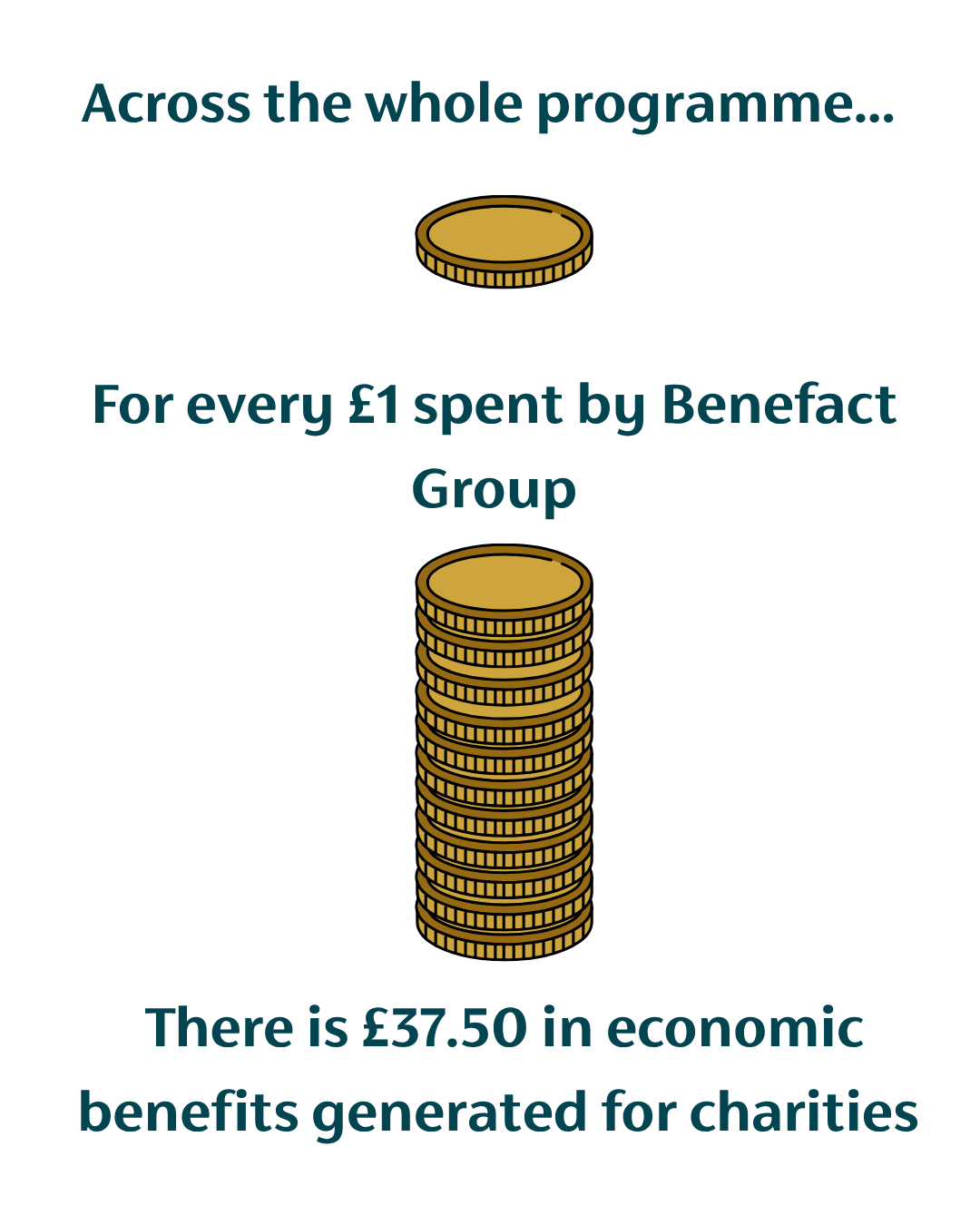
“Through our Charity Support Programme, Benefact Group has been delivering wraparound support to charities of all kinds – providing free, practical resources and interventions that help them do more of what they do best. “We always believed in the value of this programme, but recent research carried out by the Directory of Social Change (DSC) confirms just how transformative it truly is. “According to DSC’s finding – outlined in this report – for every £1 we invest, the programme delivers an astonishing £37.50 in economic benefits for charities. “It’s more than effective – it’s game changing.
“That remarkable finding sits at the heart of this report and should act as a call to action. It proves that when corporates move beyond direct cash donations and traditional volunteering, the impact multiplies. Like bricks in a wall, each act of meaningful support strengthens the foundation charities rely on. “To build a stronger, more resilient sector, corporate support must be broader, deeper and more attuned to what truly helps charities to thrive.
“We call it blended giving, a powerful combination of financial donations and hands-on support. Each amplifies the other. When corporations invest in charities, they’re not just supporting causes – they’re investing in healthier, more resilient communities. And when that investment goes beyond cash, the ripple effect is profound.
“In the article ahead, we’ll make the case for blended giving, by drawing on our own experience through our Charity Support Programme, alongside the DSC’s independent findings. “We’ll show what blended giving looks like in action, how it amplifies the value of traditional donations, and how any corporate donor can unlock greater impact. Most importantly, we’ll reveal the transformative impact of wraparound support- the kind that builds skills, boosts confidence and strengthens communities.”
Chris Pitt, Group Impact Director, Benefact Group


Executive summary
The DSC carried out an independent impact assessment of Benefact Group’s Charity Support Programme. It found that:
- Every £1 spent by Benefact Group generates £37.50 in economic benefits for charities
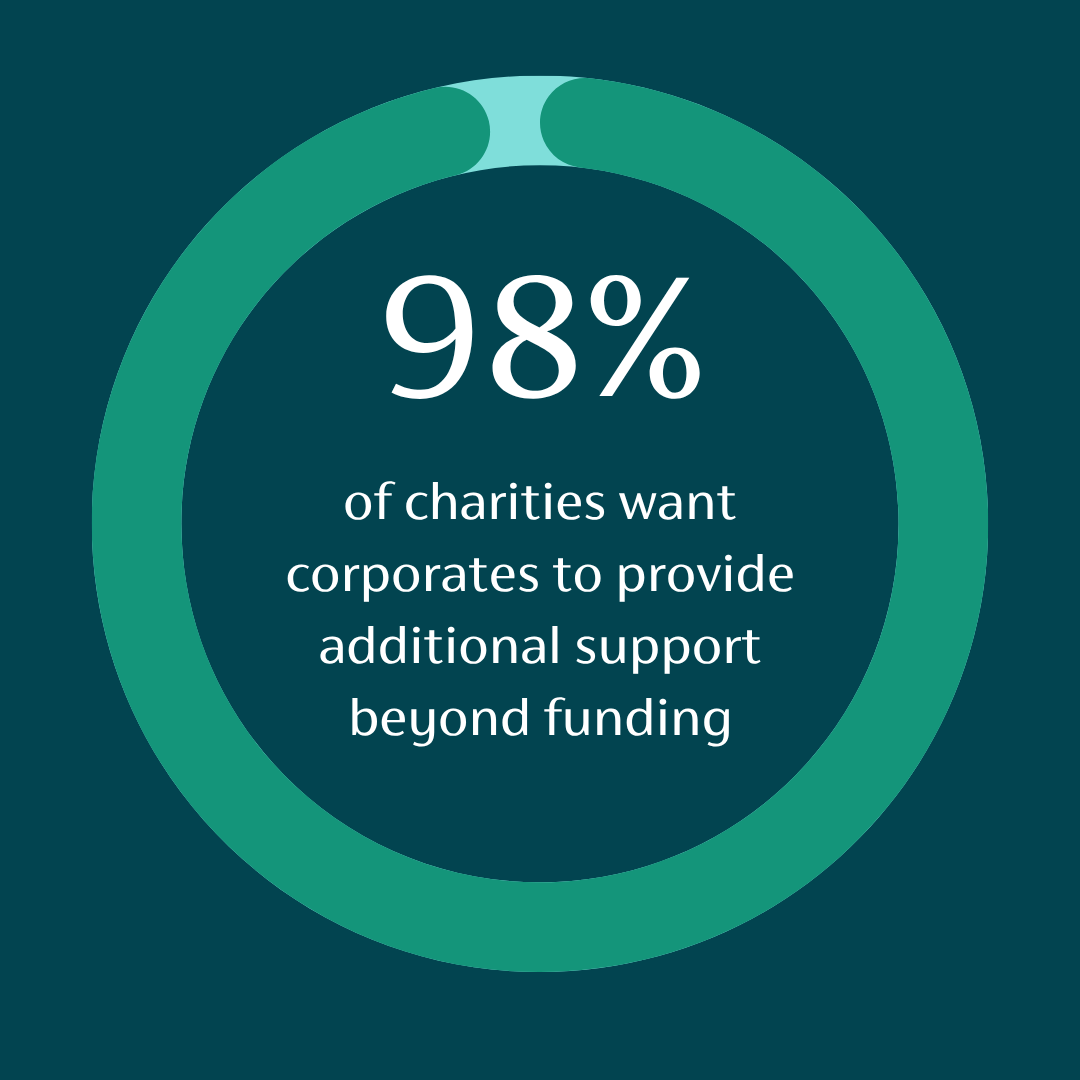
- 98% of charities want corporates to provide additional support beyond funding
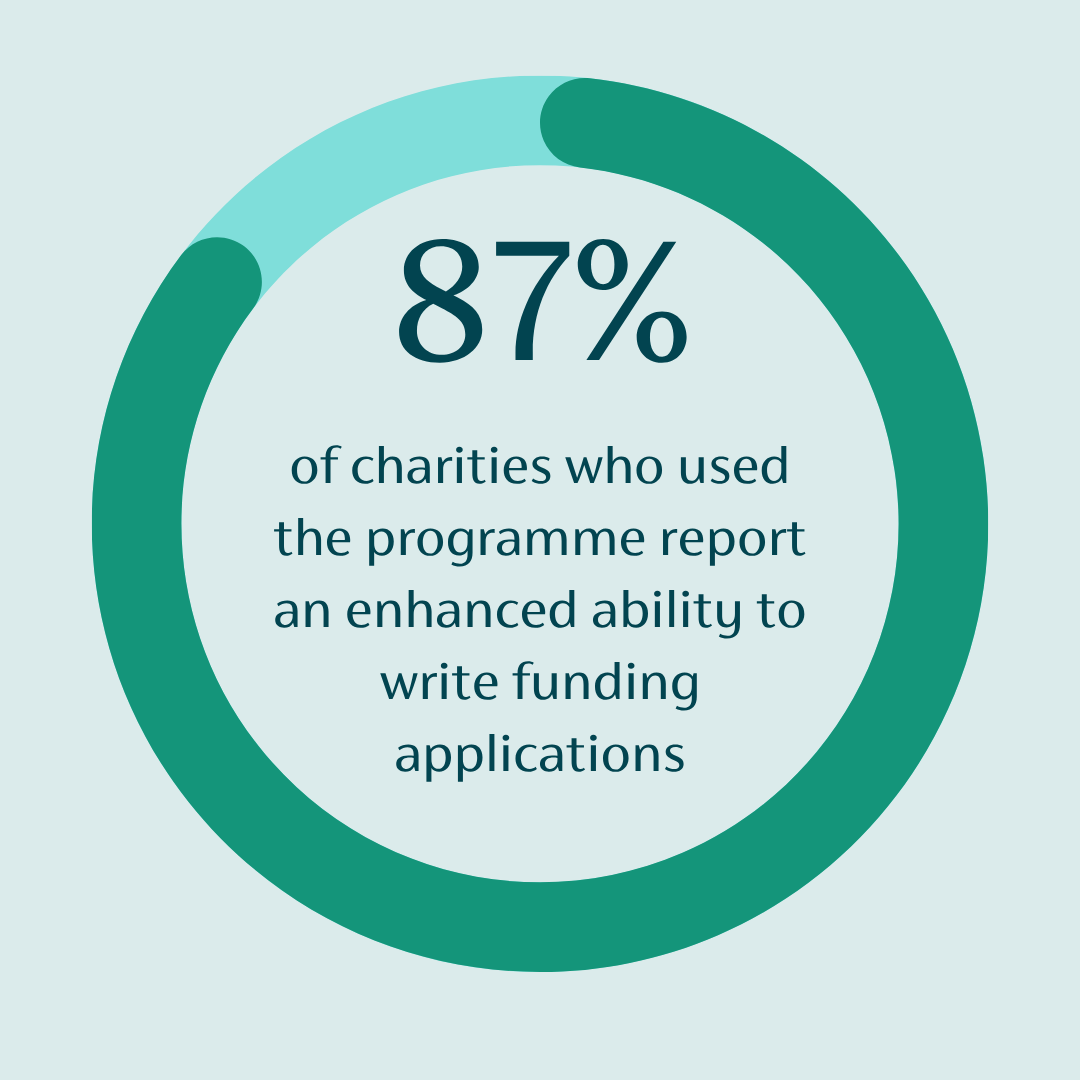
- 87% of charities who used the programme report an enhanced ability to write funding applications
- 41% of charities expanded their network of professional contacts
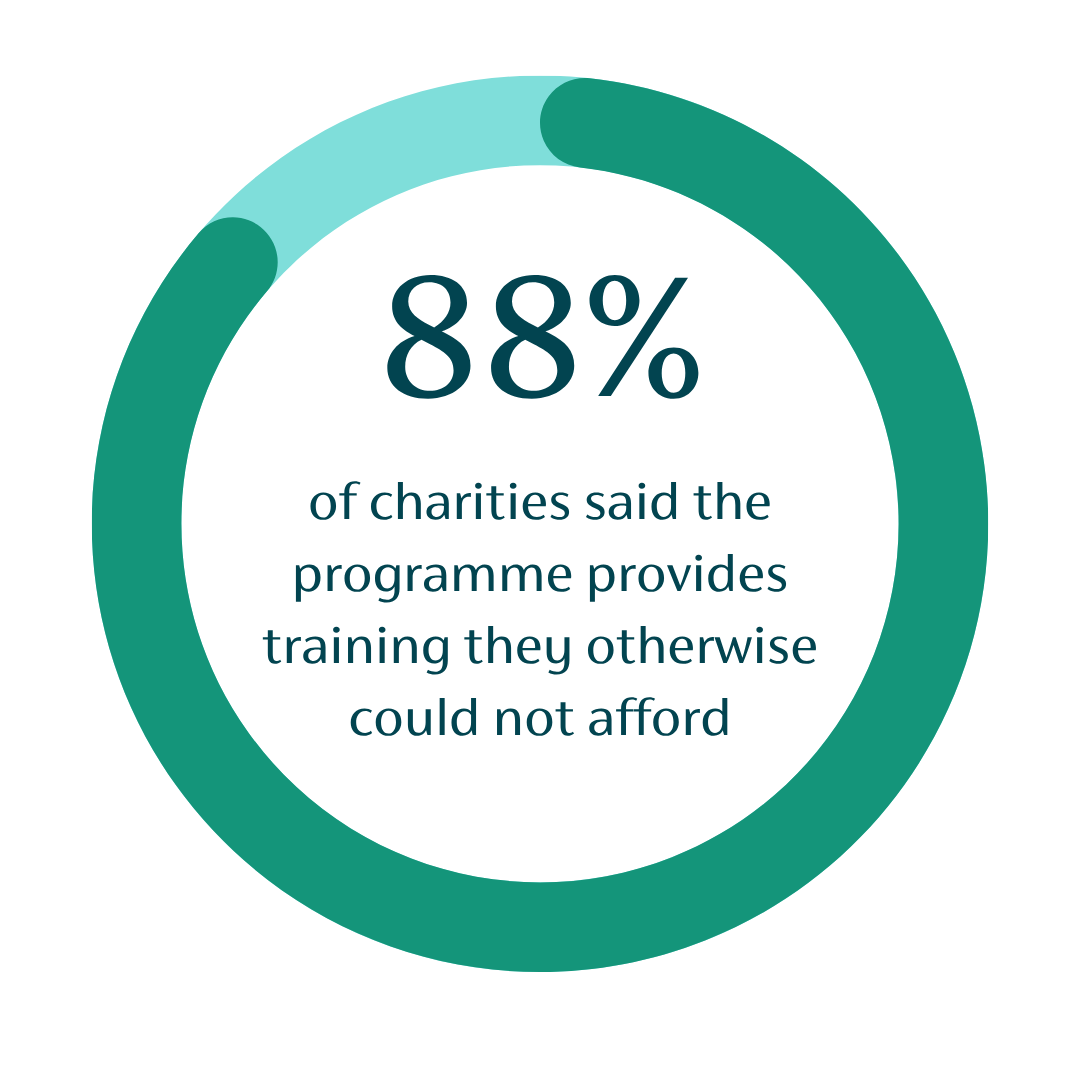
- 88% of charities said the programme provides training they otherwise could not afford
"Throughout the research process, we’ve been struck by the transformative impact Benefact Group’s Charity Support Programme has had on the charities that engage with it."
The DSC research team
Research methodology
DSC gathered both quantitative and qualitative data in December 2024 and January 2025.
- An online survey of circa 320 Benefact Group Charity Support Programme users who have attended a webinar and/or a forum.
- Online interviews from a sample of 10 charities identified by Benefact Group that had engaged with wraparound support in the last 12 months.
- A cost-benefit analysis to gather evidence on the financial impact of Benefact Group’s Charity Support Programme.
DSC used this data to address four questions:
- To what extent have support interventions improved charities’ confidence, professional skills, positivity and ability to fundraise?
- To what degree have the charity support interventions benefited individuals, organisations and the charity sector as a whole?
- Have supported charities experienced more organisational success or sustainability compared to unsupported charities?
- What financial return on investment have charities experienced following an intervention?


Section 1
What our Charity Support Programme includes - and why we do it


Benefact Group has been the third largest UK corporate donor* over the last decade. Just as importantly, our Charity Support Programme supported over 2,000 charities in 2024.
The programme provides a range of resources that are always free to access. They include expert-led webinars, articles, guides, templates, reports and podcasts. Our support focuses on areas that smaller charities often find challenging, like fundraising, social media, the impact of AI, recruitment and retention and the health and wellbeing of teams.
Fundraising is a recurring issue for charities, and our support in this area is comprehensive. Through forums, webinars, guides and podcasts, we help charities create fundraising plans, research potential donors, complete compelling grant applications and define outcomes. We also offer a range of fundraising templates and, in effect, provide charities with a complete fundraising package.
*Directory of Social Change’s UK Guides to Company Giving 2017-26
Money is not enough
Why not simply increase our donation and let charities decide how to spend it? It’s a fair question – but the answer is simple: money alone is not enough.
Of course, funding is essential. But the most enduring impact happens when we do more than provide the cash – we help teach charities how to find donors. That means pairing financial support with practical tools, expert guidance and capacity building. When charities are equipped to thrive not just survive, the ripple effect lasts a lifetime.
Running a charity is hard. Many small charity leaders feel overwhelmed, stretched thin across everything from service delivery to fundraising. In these cases, skills, knowledge and networks can be as crucial as financial support.
That holds true in other areas. Like businesses, charities need to recruit staff and volunteers and keep them engaged and happy. They need to promote their services and exploit new technology. They need to be able to protect their reputations and ensure good governance. Charities know that operating efficiently and compliantly is crucial for their impact and resilience.
To that end, our webinars and training events are designed to plug gaps in skills that might otherwise stop charities operating effectively. Our forums and events bring charities together to support and learn from each other. Of course, our financial donations are invaluable, but giving in other ways amplifies their impact.

“There are a lot of articles and videos on the use of AI for creative writing and writing funding bids. But there's something particularly helpful about being there live (on screen) with somebody who knows what they’re talking about and being able to ask questions. I found that really valuable.”
Charity size: £250k-£1m; Location: UK-wide; Focus areas: community, climate
Going deeper
Charities face extensive challenges through no fault of their own. Loss of funders and the need to attract new ones is a recurring theme. At the same time, operating costs and the demand for services are growing every year.
In the face of this complexity, donations alone can only go so far. That’s why we go further. Our wraparound support reaches beyond the surface, going deeper.
And the need for non-financial support is acute across charity operations. According to NVCO’s Year Ahead 2025 report, “the social sector is hurtling towards a serious skills shortage.”
So where do charities learn the skills they need?
According to Fair Collective’s research into charity leadership, small charity leaders’ mental health is at crisis point.
So where do leaders find connection and community?
Neither question can be answered by a small increase in donations. But we can make inroads by offering skills training for free, and by giving charity leaders the time and space to network and connect.
Charities think so too. According to DSC’s research, nearly all respondents (98%) agree that it’s important for corporates like Benefact Group to provide additional support to help charities develop.
““Like so many others I am a one man band charity campaigner. It can be isolating without colleagues to talk to about work challenges, except of course a long suffering spouse or partner! So it’s nice to be part of a group where you can ask questions and get support. Being part of a community makes you realise you are not alone.”
Charity size: £100-£250k; Location: UK-Wide/India; Focus areas: sports and education
Section 2
Confidence, competence and resilience includes - and why we do it
None of this is to downplay the importance of cash donations. Only 14% of our respondents thought a reduced cash donation was a price worth paying for more non-financial support. Charities need a blended approach, where financial and non-financial elements complement each other.
Our research results show just what an impact this new model of philanthropy can have. Every pound we spend on our Charity Support Programme generates £37.50 in economic benefits for charities. Some elements go much further. For example, every pound we spend on producing webinars generates over £134 in economic benefits for the organisations that tune in.

Fundraising
Our Charity Support Programme focuses on fundraising because it’s both crucial to charity operations and a tough skill to master.
In our survey, respondents reported a 50% increase in confidence in their fundraising skills after accessing Benefact Group support. Digging deeper, the vast majority (87%) of survey respondents agreed that engaging with the Charity Support Programme had enhanced their ability to write winning funding applications.
Most respondents also agreed that it had enhanced their ability to produce effective fundraising plans (76%), secure funding (74%), and use digital fundraising tools efficiently (61%).
In addition, over a quarter of programme users reported increased confidence around their people management and networking skills.
“We all multitask. I've got a long history in fundraising, but there are areas I haven't explored before, so I don't have that knowledge. One of the areas is high-value fundraising, which Benefact Group have done sessions on. To have those resources freely available is invaluable.”
Charity size: £250k-£1m; Location: Cheltenham; Focus area: Animal welfare

Creating collaborative networks
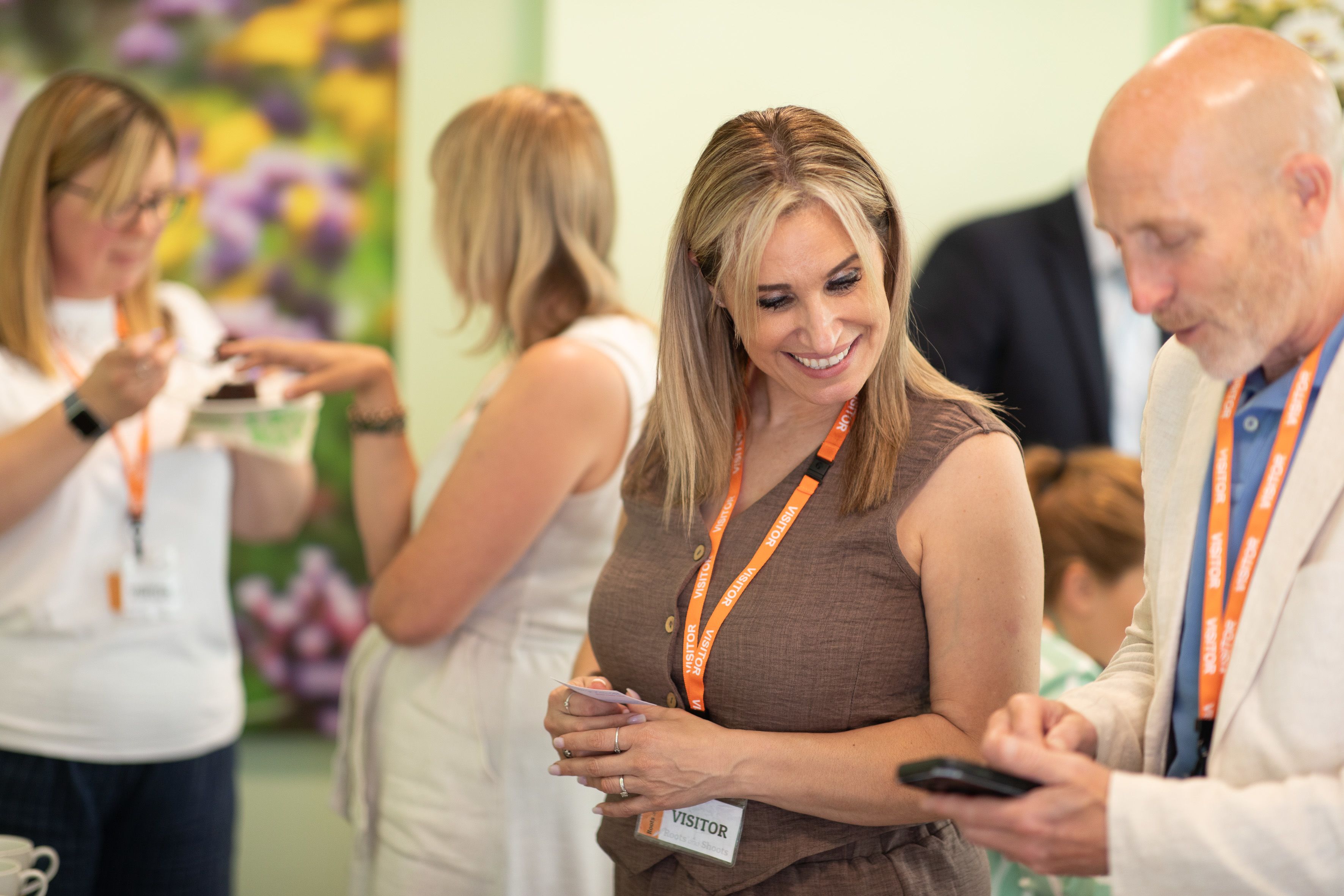
Over two-fifths (41%) of respondents agreed that using Benefact Group resources helped them expand their network of professional contacts. In addition, 37% felt more confident about their knowledge of the charity sector.
The Charity Support Programme provides opportunities for charities to work together and learn from each other. It gives charity leaders space to come together for mutual support. Formal networking events like our Founders Forum nurture a sense of community and so too do online webinars and training events, which present opportunities for attendees to strike up informal conversations.
The connections established at these events have led to mentorships, coaching relationships and the development of collaborative working groups.
In addition, over two-thirds (67%) of respondents agreed that using Benefact Group resources enhanced their ability to evidence their charity’s impact. Accurate impact reporting is at the heart of both fundraising and effective service provision. It also contributes to the collective knowledge of the sector.
"The way in which Benefact Group brings charities together face to face is very, very important. It encourages collaboration, and there are limited opportunities to do that in a meaningful way. So that's very, very powerful."
Charity size: £1 million plus; Location: Gloucester; Focus area: Community health

Boosting confidence
Our support made charities more confident in several areas, including fundraising skills (a 50% increase in confidence), and the ability to work effectively and efficiently (38%).
Of ten statement questions starting with "Using Benefact Group’s resources enhanced my ability to...", seven received agreement levels of 50% or higher. This reflects a strong positive impact in areas closely tied to organisational success and sustainability, including fundraising, evidencing impact and workplace culture.
Additionally, the survey found that Benefact Group’s events and resources help organisations become more resilient to challenges.
“Without Benefact Group, we couldn’t access such high-quality support. I started the charity when something very difficult happened to us, and I wanted to stop that happening to anybody else. It was just me. Having those opportunities to connect with other people has been really useful.”
Fiona Spargo-Mabbs, Founder, DSM Foundation


Section 3
Funding going further - the wider case for blended giving
Few organisations have Benefact Group’s experience in the third sector. As a financial services group owned by a charity – and as a leading insurer of charities – we’re not just observers of the sector, we’re part of it. The challenges of the sector are our challenges too.
But blended giving can make a powerful impact no matter your starting point. Corporate funders of all backgrounds can use their resources and specialisms to make their funding go further. As we’ve seen, every pound spent on non-financial support generates many times that amount in impact. Blended giving isn’t free, but it’s hugely cost-effective.
How to go about it? Our reflections on the research findings:

1. Dedicate funding for support
Charities must continually update existing skills and acquire new ones. At the same time, charity professionals often learn on the job, or their job expands around them. Charity founders and leaders wear lots of different hats.
Training is vital but it’s often expensive, and smaller charities in particular struggle to justify the outlay. A large majority of survey respondents (88%) agree that Benefact Group provides training that their organisation could not afford to pay for.
Successful businesses in every sector almost certainly have skills that charities need. But - in addition - might it be possible to fund some free training on topics useful to charity partners, or invite charity personnel to relevant training sessions organised for your own staff? Imagine the cumulative impact of your business providing funds for a charity's new website alongside a series of webinars from digital and social media experts on how to optimise and promote it.
2. Convene and facilitate
Fair Collective’s latest research shows 85% of small charity leaders in England have experienced poor mental health because of their role. Opportunities to network, collaborate and form support groups can be thin on the ground.
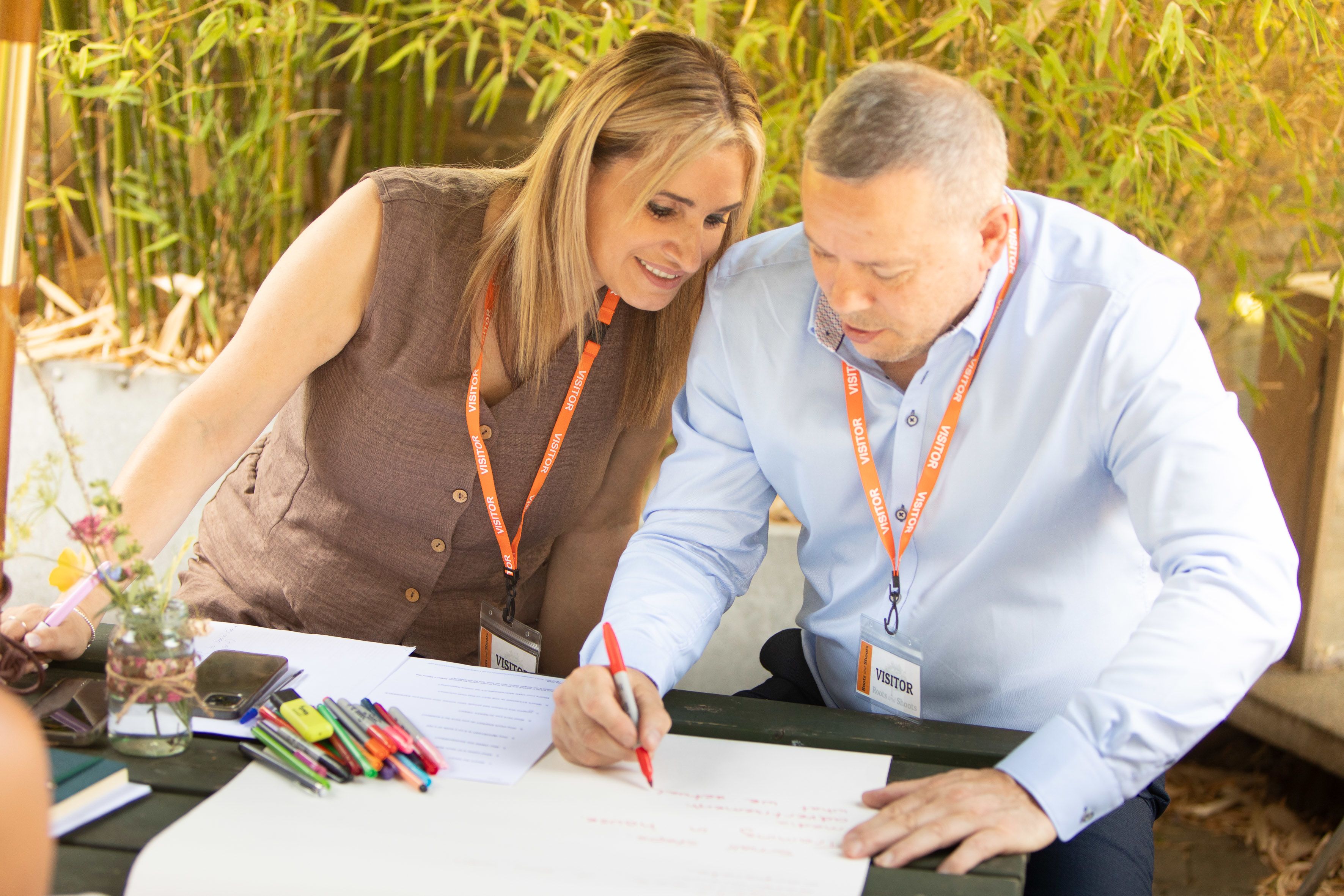
Corporate donors can provide real and virtual space for charity partners to come together, as well as networking opportunities with customers and clients.
Facilitating formal and informal meetings can unlock huge benefits for the sector, with charity leaders using each other as sounding boards and sources of external intelligence. Problems can be solved collectively. One of our charity interviewees said that simply knowing others were in a similar boat was a huge comfort.
“Just getting in a room or online with people who are in the same position as you, and who understand your concerns or challenges, is really helpful. It’s not something you necessarily get in your organisation, because no one else does what you do.”
Charity size: £1 million plus; Location: London/Essex; Focus areas: community, disability
3. Actively listen
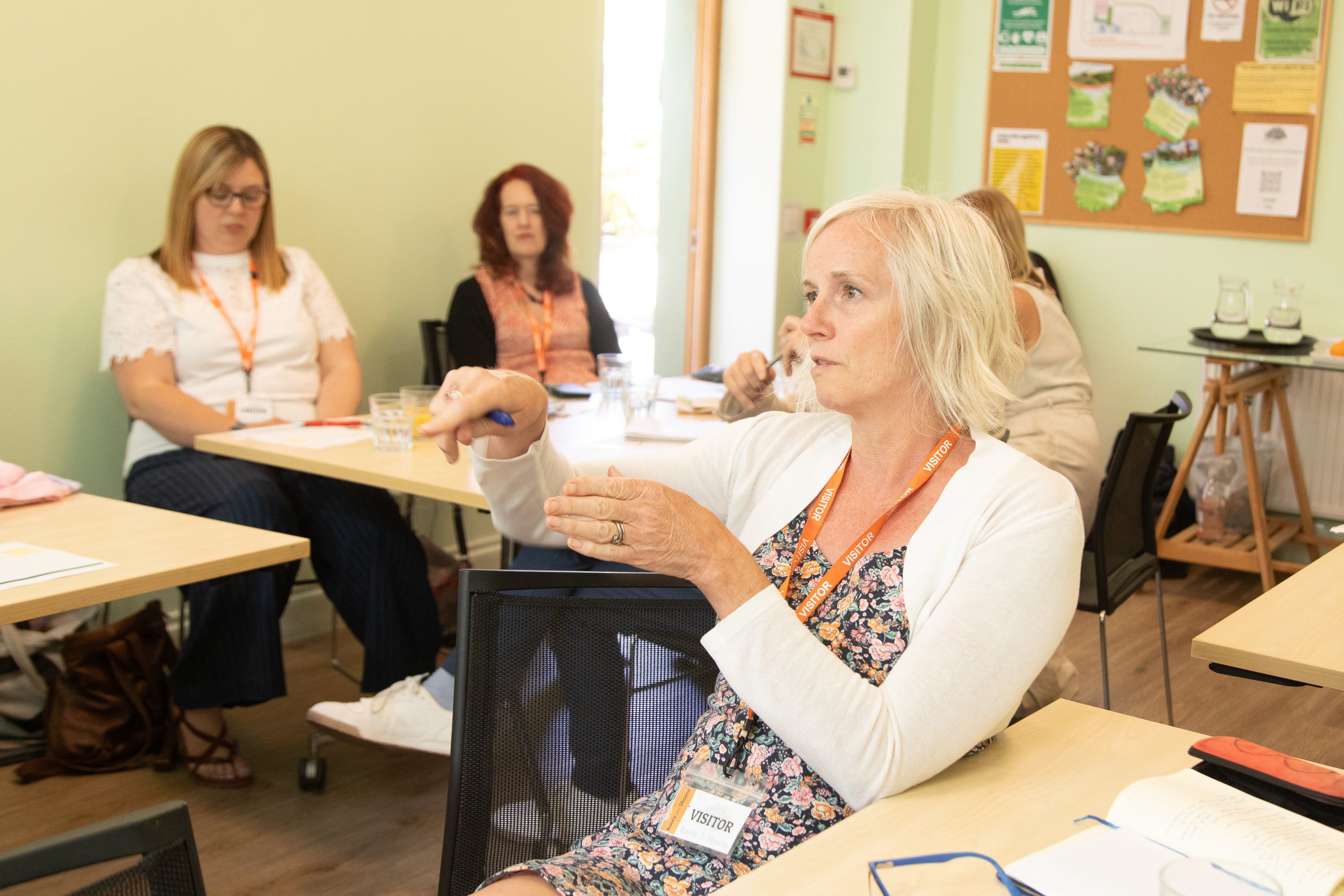
Perhaps most of all, charities want their corporate funders to listen. When corporates truly hear what charities have to say they can design packages of financial and non-financial support that add value in the most effective way. For their part, charities that tell their story well, and share what they do in a compelling way, are more likely to attract the kind of support they need.
The charities you support might value skills-based training during volunteer days much more than extra hands to paint the office wall. They might want introductions to your professional network as much as your old computer equipment (they may, of course, greatly appreciate both).
You’ll never know for sure unless you ask. Corporates that actively seek input from the charities they support can have a much greater impact on the sector’s effectiveness and resilience.
We know that listening well takes work, and while we aim to be responsive and collaborative partners to the charities we help, we recognise we don’t always get it right every time. We’re committed to learning from feedback, engaging constructively, and continuing to improve how we show up for the sector.


Conclusion
A new model of philanthropy
Businesses operate most successfully in healthy, resilient communities. By supporting charities, they are helping to create a society where their own employees and customers can thrive.
So it’s in everyone’s interests for support to be delivered as effectively and efficiently as possible. Our own experience, backed up by DSC research, shows that a model of philanthropy that wraps non-financial support around financial donations achieves far more than money alone. It’s worth repeating the headline figure. Every pound we spend on non-financial support generates over 37 times that much in economic benefits for the charities who engage with our resources.
This is momentous, or it could be. Corporate donors don’t have to do everything Benefact Group does to add huge value to their donations. After all, we’re owned by a charity and have charities as customers. But doing one thing - or a few things - could still be highly significant. It might be sharing skills, opening contact books or creating a real or virtual forum for charity leaders to meet and let off steam. It could be offering an accountancy masterclass. There’s a host of other possibilities.
We hope these findings stir something deeper. Charities are grateful for every penny of donor support - but when corporations offer more than money, something richer takes root.
When time is given with care, when knowledge is shared with purpose, when hands and hearts join the effort - that’s where love lives. And when love leads, generosity doesn’t just grow - it multiplies.
This is the heart of blended giving: financial support, yes, but also presence and partnership. When combined, the difference isn’t just significant - it’s transformative.